





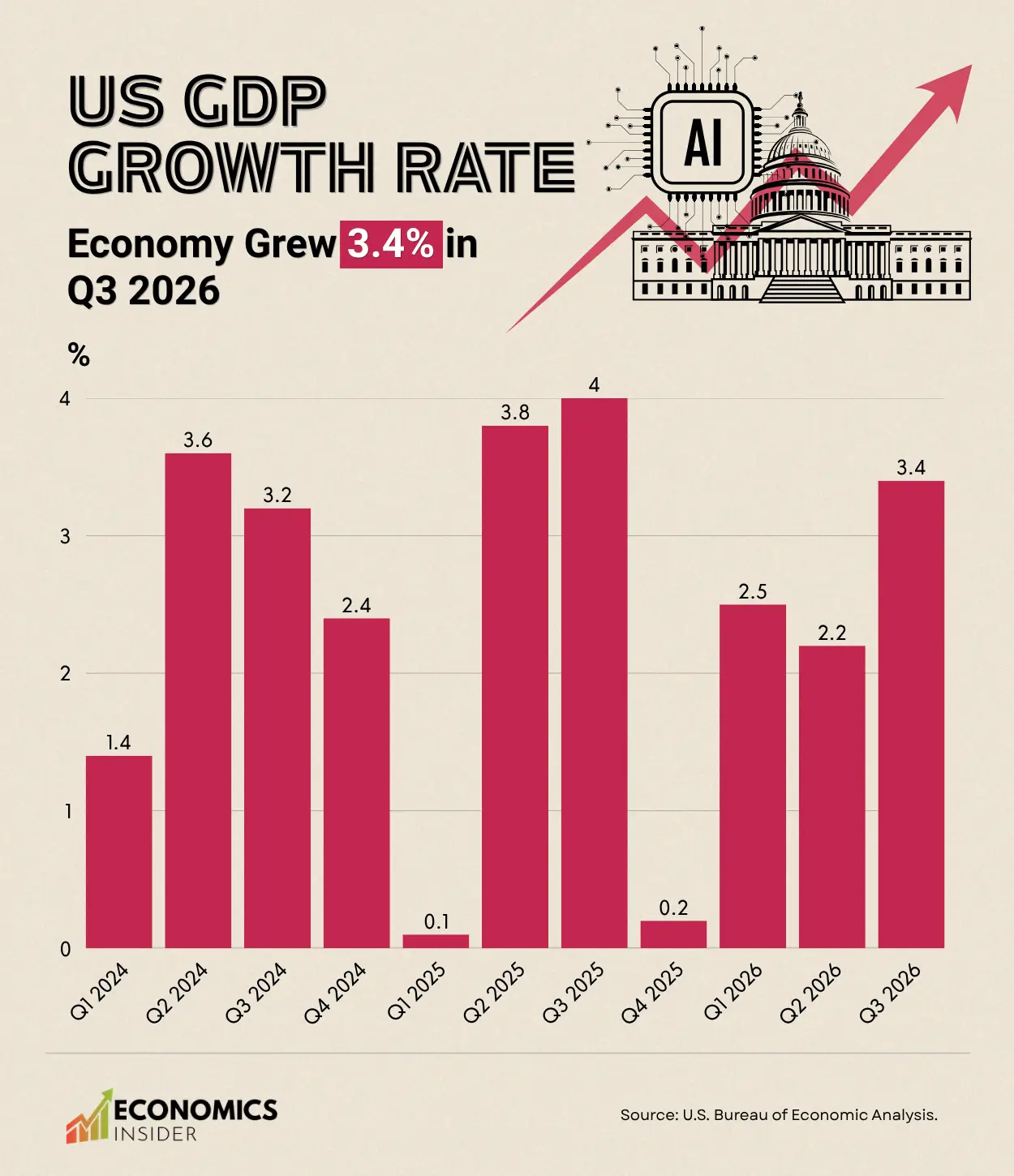
The US economy picked up the pace as GDP rose at a 3.4% annual rate in July through September. The BEA made this initial estimate on October 29. In the previous two quarters growth was 2.5% and 2.2%, respectively. Thus, the third quarter showed improvement and even exceeded the expectations of economists at 3.0-3.2%. Some clarifications on the figure. Actually the economy grew by 0.8% in the third quarter. It is given as an annual rate, meaning that pace extended to the entire year.
So why did it rise? There were three major drivers of growth. Consumers kept spending with consumer spending rising 3.8%. Companies invested in computers, software and data centers and business fixed investment excluding housing went up by 12.7%.
Key Takeaways
- The US economy grew at a 3.4% annual rate in the third quarter of 2026, its fastest pace in a year and well above the 2.2% of the second quarter.
- A large part of that push came from AI-related business spending and a build-up of inventories, which is why final sales grew a softer 1.7%.
- Outside of GDP the picture is mixed, with inflation at 3.7% and hiring down to just 29,000 jobs in September.
US GDP Growth by Quarter
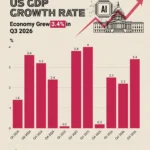
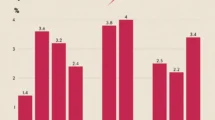
The following table shows GDP growth over the last seven quarters. The figures are annual rates from the BEA, based on its latest revised data.
| Year | Quarter | GDP Growth (%) |
|---|---|---|
| 2024 | Q1 | 1.4 |
| 2024 | Q2 | 3.6 |
| 2024 | Q3 | 3.2 |
| 2024 | Q4 | 2.4 |
| 2025 | Q1 | 0.1 |
| 2025 | Q2 | 3.8 |
| 2025 | Q3 | 4 |
| 2025 | Q4 | 0.2 |
| 2026 | Q1 | 2.5 |
| 2026 | Q2 | 2.2 |
| 2026 | Q3 | 3.4 |
Source: U.S. Bureau of Economic Analysis. Older quarters reflect BEA revisions, so they may differ from the numbers first reported at the time. The Q3 2026 number is a first estimate and will be updated later by BEA.
What Pushed GDP Higher in Q3
Shoppers kept spending. Household consumption accounts for more than two-thirds of all economic activity and expanded by 3.8% for the second straight quarter. It contributed almost 2.5 percentage points of growth.
Companies increased their investments in AI. Investments in computers and similar equipment jumped 37.4%, and investments in software and R&D also increased. To put it plainly, companies are constructing data centers and stocking them up with equipment.
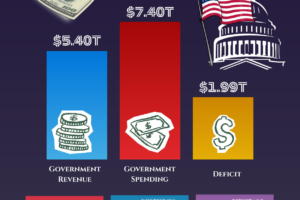
Government spending increased significantly. The total government spending increased by 5.3%. Federal spending accounted for the majority of this growth, increasing by 15.8%, while defense spending increased by 11.7%. Spending by state and local governments barely moved.
Inflation: Prices Are Still Rising Faster Than Pay
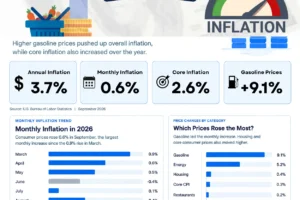
Inflation data for the month, September, shows that the consumer price index increased by 3.7% against the same month of the previous year, compared to 3.4% last month. It increased by 0.6% within the month.
Energy is the main reason. Oil and fuel prices have climbed because of the war involving Iran and thus caused rising prices for gasoline, diesel, and jet fuel. The economists cite trade tariffs, construction of data centers for AI, and high demand in travels as another source of inflation.
There is one more detail inside the GDP report. The price index produced by the BEA for goods bought by the country increased by 3.0% in Q3, a much smaller increase than 5.6% in Q2. Therefore, the price pressure slowed in Q3 overall despite a hot September.
Jobs: Hiring Slowed Sharply in September
The most recent jobs report, which came out on October 2, was lackluster. Only 29,000 jobs were added in September, compared to an economist’s estimate of 84,000 or 90,000. The impact of BEA-style revisions further dampened the results, as employment gains were revised downward by a total of 60,000 in July and August. The last 12 months saw a monthly average employment gain of 45,000.
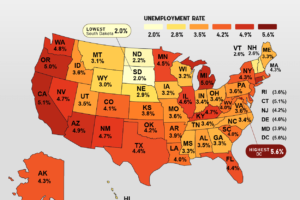
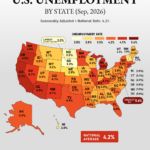
Unemployment rose from 4.1% to 4.2%, partly because there was a rise in the labor force as the participation rate increased to 61.8%. However, it does not quite match the 3.4% GDP number. Growth is high, but corporations are not hiring enough. Money is being invested into equipment and data centers rather than new hires.
The Fed: Rates Held on October 28
In fact, in a meeting on October 27 and 28, the Fed decided to maintain its interest rate unchanged in the range of 3.75%-4%. This result was predicted by the market.
It should be noted that such decision is made after the Fed hiked the rates in September by 25 bps, which was the first rise since 2023. According to the Fed’s statement, it stated that the inflation remained high and it needs more information before the next step.
How It All Connects
High expenditure and the AI infrastructure construction contributed to GDP growth in Q3 2026. Since inflation has remained high, the Federal Reserve raised interest rates in September and may raise them once more. Rising interest rates increase mortgage costs, and this is what makes housing fall. Meanwhile, hiring has cooled and wages are lagging prices, which could slow the household spending that carries two-thirds of the economy.
Conclusion
The 3.4% GDP growth in Q3 2026 points to a U.S. economy that is still expanding at a solid pace. But it leans on AI investment and stockpiling, inflation is running at 3.7%, hiring is thin, and the Fed is still leaning toward higher rates.