


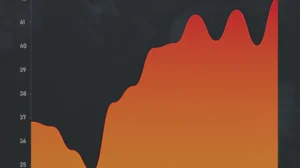

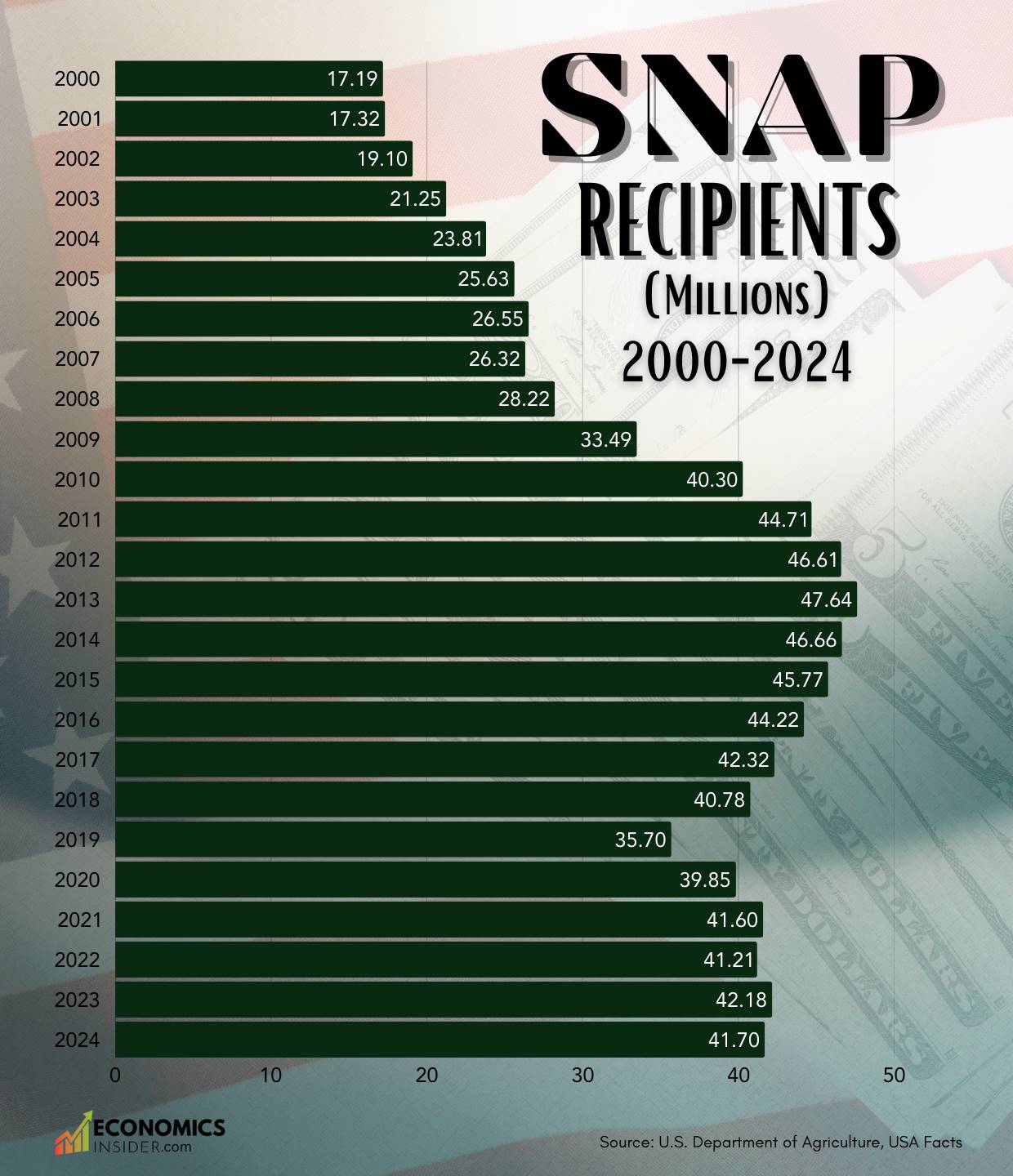
In fiscal year 2024, an average of 41.7 million people received benefits through the Supplemental Nutrition Assistance Program (SNAP) each month, which is about 12.3% of the U.S. population. Participation in the program has stayed above 40 million people per month since around 2010. The only exceptions were years like 2019 and 2020, when the number of participants dropped slightly. These numbers show how many households in the United States rely on food-assistance help and how SNAP has become the country’s safety-net system.
Key Takeaways
- Around one in eight Americans (12.3%) received SNAP benefits monthly in FY 2024.
- The share of people getting SNAP differs widely across states, which reflects economic conditions and local policy decisions.
- Although the total cost of SNAP is significant, it represents a relatively small portion of total federal spending.
What is SNAP?
SNAP is one of the largest federal nutrition-assistance programs in the U.S. It is designed to help low-income individuals and families purchase food. The program is administered by the United States Department of Agriculture (USDA), in collaboration with state agencies. Households that qualify for SNAP receive money each month on an Electronic Benefit Transfer (EBT) card. This card works like a debit card and can be used at approved grocery stores to buy food.
Eligibility for SNAP depends on factors like household income, assets, size of the household, whether members work or are disabled, and other rules. The program uses something called the “Thrifty Food Plan” to estimate the cost of a low-cost, healthy diet. It then uses that estimate to decide how much SNAP benefits should be.
In simple words, SNAP is a vital support for many households that may struggle to cover grocery bills. Additionally, it activates automatically when economic conditions worsen, helping more people during downturns.
How many people received SNAP benefits from 1969 to 2024?
The following table shows the number of people who received SNAP benefits each year from 1969 to 2024, based on data from the U.S. Department of Agriculture.
| Fiscal Year | Average Monthly SNAP Participants |
|---|---|
| 1969 | 2.88 M |
| 1970 | 4.34 M |
| 1971 | 9.37 M |
| 1972 | 11.11 M |
| 1973 | 12.17 M |
| 1974 | 12.86 M |
| 1975 | 17.06 M |
| 1976 | 18.55 M |
| 1977 | 17.08 M |
| 1978 | 16.00 M |
| 1979 | 17.65 M |
| 1980 | 21.08 M |
| 1981 | 22.43 M |
| 1982 | 21.72 M |
| 1983 | 21.63 M |
| 1984 | 20.85 M |
| 1985 | 19.90 M |
| 1986 | 19.43 M |
| 1987 | 19.11 M |
| 1988 | 18.65 M |
| 1989 | 18.81 M |
| 1990 | 20.05 M |
| 1991 | 22.62 M |
| 1992 | 25.41 M |
| 1993 | 26.99 M |
| 1994 | 27.47 M |
| 1995 | 26.62 M |
| 1996 | 25.54 M |
| 1997 | 22.86 M |
| 1998 | 19.79 M |
| 1999 | 18.18 M |
| 2000 | 17.19 M |
| 2001 | 17.32 M |
| 2002 | 19.10 M |
| 2003 | 21.25 M |
| 2004 | 23.81 M |
| 2005 | 25.63 M |
| 2006 | 26.55 M |
| 2007 | 26.32 M |
| 2008 | 28.22 M |
| 2009 | 33.49 M |
| 2010 | 40.30 M |
| 2011 | 44.71 M |
| 2012 | 46.61 M |
| 2013 | 47.64 M |
| 2014 | 46.66 M |
| 2015 | 45.77 M |
| 2016 | 44.22 M |
| 2017 | 42.32 M |
| 2018 | 40.78 M |
| 2019 | 35.70 M |
| 2020 | 39.85 M |
| 2021 | 41.60 M |
| 2022 | 41.21 M |
| 2023 | 42.18 M |
| 2024 | 41.70 M |
Source: U.S. Department of Agriculture.
SNAP Participation Varies by State
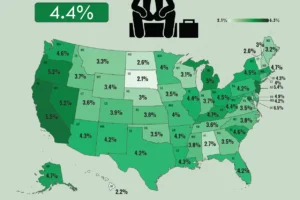
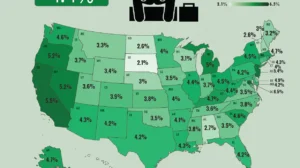
Although an average of 41.7 million people used SNAP each month in FY 2024, participation levels vary widely from state to state. In FY 2024, the share of residents in each state receiving SNAP ranged from as high as about 21.2% in New Mexico down to around 4.8% in Utah. For instance, New Mexico had more than one in five residents on SNAP. In other states, like Louisiana, roughly 18.4% of its population received benefits, and in Oregon, about 17.7%. In the nation’s capital, Washington, D.C., approximately 19.6% of residents participated.
These differences reflect the economic state of the region (poverty rates, unemployment, cost of living), how easy the state makes it to enroll in SNAP, how generous or strict the state rules are, and the demographics (household size, age, disability rates). This means if you live in one state, your likelihood of participating may be quite different from someone living in another.
How Much Does the Government Spend on SNAP?
In FY 2024, the federal government spent approximately US $99.8 billion on SNAP benefits and administration. The average benefit received by a participant was about US $187 per person per month. In terms of budget share, SNAP spending made up roughly 1.5% to 1.6% of total federal spending that year. Most of the spending—about 93% of the program money—goes toward the benefits themselves rather than administrative costs.
Though SNAP supports tens of millions of people, from a federal budget viewpoint it is modest in size. However, for individual households receiving benefits, the monthly assistance can make a meaningful difference in covering food expenses.
Trends in SNAP
The program acts “counter-cyclically”—when the economy weakens, more people qualify and participate; when jobs are plentiful and incomes rise, participation tends to decline.
Participation peaked in earlier years: around FY 2013, about 47.6 million people received SNAP benefits monthly. Benefit amounts and eligibility rules have changed over time. After the USDA updated the Thrifty Food Plan in 2021, maximum benefit levels rose.
However, because of the recent shutdown, regular funding was cut off starting November 1, 2025. This means millions of people could lose the food assistance they depend on. The USDA said it cannot use its emergency funds to keep the benefits going, so states and local food banks had to rush to prepare for a big increase in people needing help.
Conclusion
SNAP helps a very large number of Americans. In FY 2024, about 41.7 million people used the program each month—that’s roughly 12.3% of the entire U.S. population. Even though SNAP is not very expensive compared to the overall federal budget, it still reaches millions of people and plays an important role in helping families who struggle to afford food. Though the monthly benefit itself is not very large, it still helps families buy more groceries and reduce the pressure of rising food costs. For many households, even this small amount makes a meaningful difference in making sure they have enough food.