









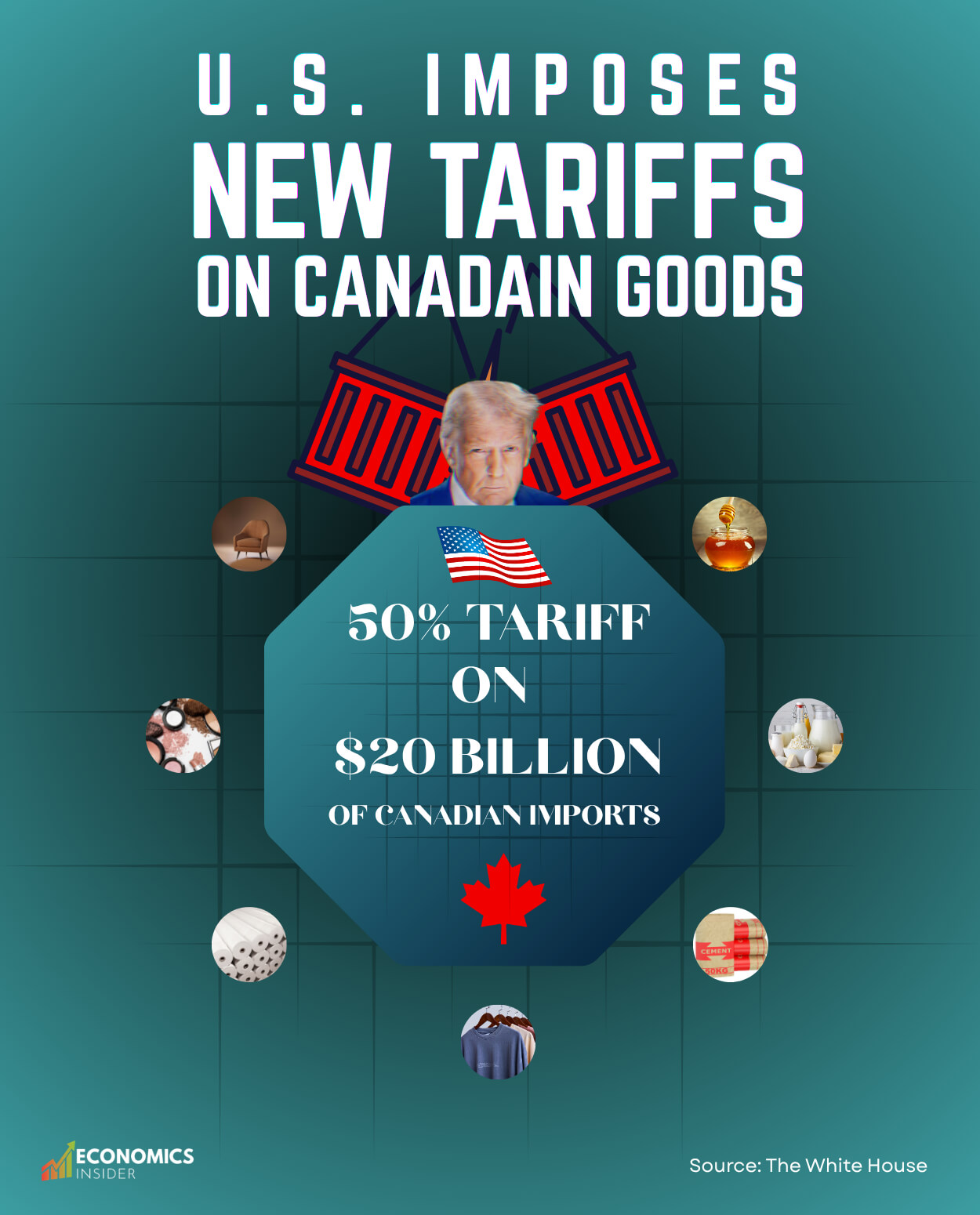
The trade war between the United States and Canada has taken another turn. The US has placed a 50% tariff on about $20 billion worth of Canadian goods. This tax started on August 22, 2026. The new U.S. tariffs on Canada only touch a small slice of what Canada sells to the US, but they add one more layer to a trade relationship that was already messy with tariffs. Canada’s government says it will hit back with matching taxes “dollar for dollar,” and Prime Minister Mark Carney says these will start on September 8.
Starting January 1, 2027, the US plans to raise tariffs to 50% on Canadian cars, trucks, auto parts, steel, and several other product categories.
The latest U.S. tariffs at a glance
The White House announced the new tariffs on July 20 under Section 338 of the Tariff Act of 1930. The measure allows additional duties of up to 50% when the president determines that foreign trade practices unfairly disadvantage U.S. commerce.
What goods are facing the new 50% tariff?
The new tariffs cover a range of Canadian products.
Among the products affected are:
- Wine and other alcoholic beverages
- Dairy products
- Cement
- Clothing
- Hockey equipment
- Honey
- Candles
- Paper products
- Textiles
- Electronics
- Other selected consumer and industrial goods
The White House says the tariffs were introduced in response to what it considers unfair Canadian treatment of U.S. products, particularly in motor vehicles, alcoholic beverages and dairy.
However, it is important to understand what the new tariff does not mean. The United States has not imposed a 50% tariff on all Canadian imports.
The new measure applies to a selected group of products worth about $20 billion. Goods already covered by separate tariff programs, including major categories such as steel, aluminum and some automobiles, are treated separately.
Canada prepares to strike back
Canada has not accepted the new tariffs quietly. Prime Minister Mark Carney said Canada would respond “dollar for dollar” with its own tariffs on U.S. goods. The Canadian measures are scheduled to begin on September 8.
The targeted sectors include:
- Steel
- Dairy
- Appliances
- Agricultural equipment
- Electronics
- Other U.S. products
The goal is to match the economic value of the new U.S. tariffs rather than simply copy every individual American tariff. Reuters reports that Canada plans to target a range of U.S. products as part of the response.
What makes the latest round different?
The latest round is significant because the 50% tariff applies even to goods that qualify under the U.S.–Mexico–Canada Agreement (USMCA).
The White House specifically says the new Section 338 tariffs apply to covered goods regardless of whether they qualify for USMCA treatment.
The bottom line
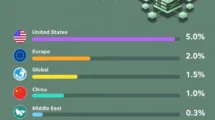
The latest U.S.–Canada trade dispute is now entering a more serious phase. The United States has imposed 50% tariffs on roughly $20 billion of selected Canadian goods, covering about 5% of Canada’s exports to the U.S. Canada plans to respond with tariffs of its own beginning September 8. The two countries have one of the world’s most closely connected trading relationships. More tariffs could mean higher costs, disrupted supply chains and greater pressure on businesses on both sides of the border.